
What God celebrates, you keep calling small
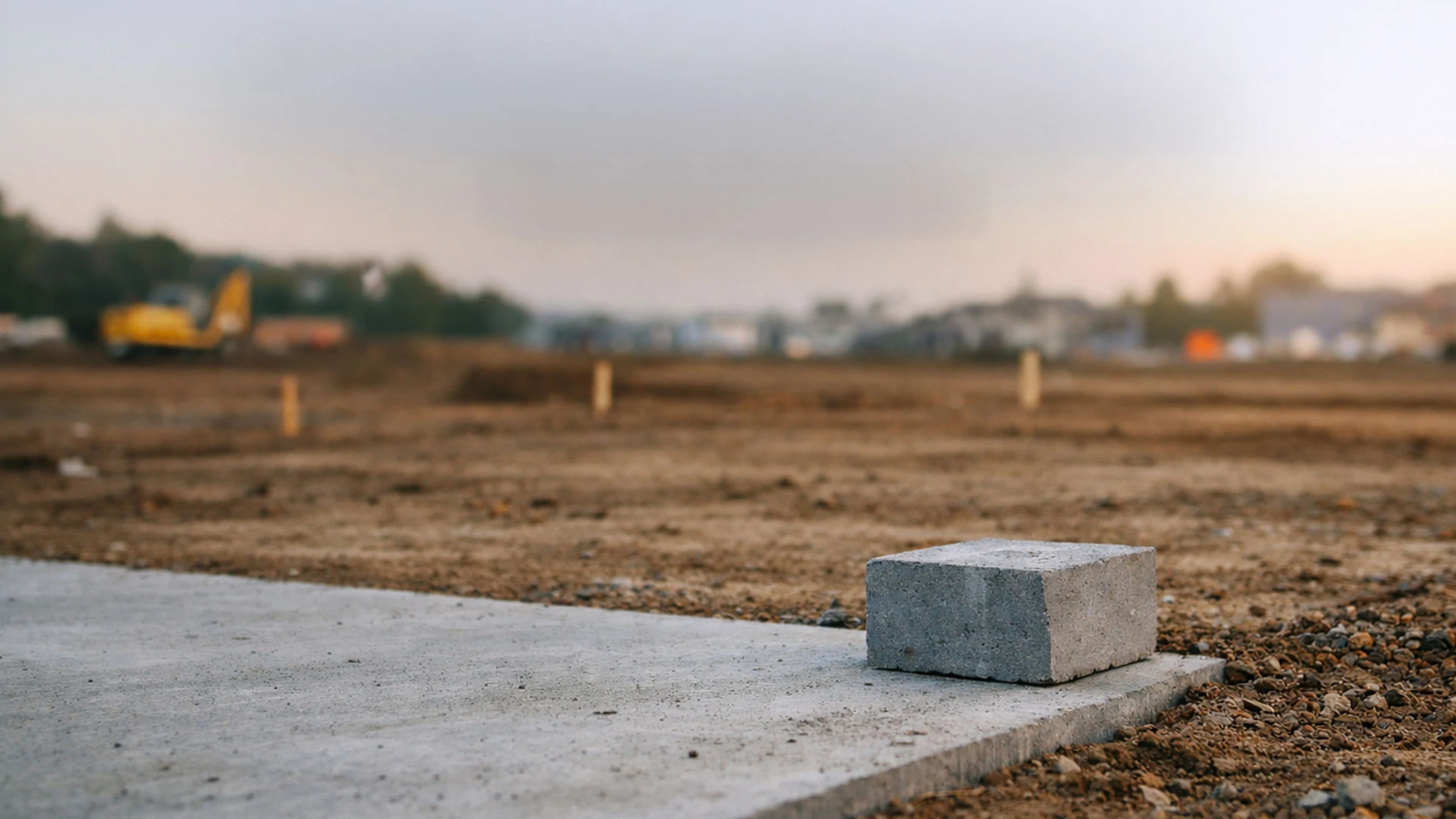
Comparison can be so dangerous because it can stop us in our tracks before we ever get going.
We scroll past the finished basement, the “we paid off the debt” post, the “my quiet time has been so sweet” caption, the healthy marriage photo, the thriving business update, the kid who’s respectful in public (I guess you can rent kids now?).
Then we look down at what’s in our hands… and it feels pitiful. And a lot of the time, that’s where it ends. Not because we don’t care. Not because we’re lazy. But because comparison makes our beginning feel like a humiliation. So we quit before we begin.
What we don’t realize is that we’re comparing everybody else’s end to our beginning.
And that makes no sense. We see the result. We don’t see the first day. We don’t see the awkward start, the slow progress, the behind-the-scenes grind where nothing looks impressive yet.
In Zechariah 4, Israel had been in captivity. The temple—the place that represented God’s presence among His people—was destroyed. Then in 537 BC, Zerubbabel led a remnant back home. Hope returned… but the reality was still heavy. And about twenty years after they returned, God told Zerubbabel to rebuild the temple. But God was clear how it would happen:
“This is the word of the Lord to Zerubbabel: Not by might, nor by power, but by my Spirit, says the Lord of hosts.” (Zechariah 4:6 ESV)
In other words: This won’t be built in a way where you get the credit. This won’t be accomplished by human muscle and human genius. God will do it by His Spirit.
I’m from Texas, but I must’ve angered the Lord at some point early on, because He exiled me to the frozen tundra of Wisconsin for about four years. (Just kidding about the exile. Leading a church there was awesome. The weather? Not so much.)
First winter up there, everybody told me the snowfall was “lower than normal.” Then January hit and we got absolutely pummeled—like three feet of snow kind of pummeled. I wasn’t prepared. Snow blower wasn’t tuned up. (Not that I know how to tune anything up).
I was out there freezing, trying to get the thing to start, and it wouldn’t fire. So I did what I thought men are supposed to do in moments like that: I opened it up and looked at the spark plug “and stuff.” I guess I hoped that staring at it long enough would spark some magical mechanical knowledge that was hidden deep within my brain, passed down from my ancestors.
The plan that formed was simple: take it off, clean it, put it back on, and pretend I’m the kind of guy who owns tools for reasons other than looking responsible. I grabbed the wrench, some pliers, and I went at it with all I had… but that spark plug would not budge.
Did I mention it was like 10 degrees? But I wasn’t going to be beaten by a snow blower, so I just put some more elbow grease into it, ya know? And then all of a sudden—pow—the top of the spark plug broke off.
So now my brilliant plan was dead. So I borrowed my neighbor’s snow blower to free the family from the snow prison (I had a two-year-old boy at the time… we needed to escape). Later I went to AutoZone to get a new spark plug, and while I was there I had a moment of brilliance: I bought the spark plug socket that actually fits the spark plug. (Finally, the knowledge from the ancestors comes through!)
When I got home, I went the extra mile and I hooked that socket up to my drill and—three seconds later—that spark plug came right off.
I had fought with it for thirty minutes in my own strength. And then, with the right tool and a power source, it was done immediately.
That’s Zechariah 4:6. You can strain all day long trying to become who God wants you to be, trying to do what God has put in front of you, trying to rebuild what’s broken in your life or your ministry. And you might see incremental progress.
But God is offering you something else: a strength beyond what you can muster on your own.
But even with God working through us, the start can seem small, insignificant, even… pathetic. That’s what was going on in Zechariah. If you read Ezra (telling the story of the same time in history), when people saw the early stages of the temple, some of them actually wept—not because they were moved, but because they were disappointed.
“This is it?” “This is what we’ve got?” “This is so small.” “It doesn’t compare to Solomon’s temple at all!”
The moment you begin, someone (including the voice in your own head) will say, “That’s it?” But God says something to Zerubbabel that I think we need to hear today:
“Do not despise these small beginnings, for the LORD rejoices to see the work begin.” (Zechariah 4:10, NLT)
Read that again. The Lord rejoices to see the work what? Begin.
Not the work completed.
Not the “look what God did” testimony.
Not the finished temple.
The beginning.
Because you can’t place the second stone until you place the first. And for a lot of us, the real problem isn’t that we can’t finish. The problem is we won’t start—because the first stone looks too small to matter.
God sees the end before the work even gets going. So here’s the truth you need to carry with you today:
Don’t compare their finished temple to your first brick.
Don’t compare their highlight reel to your raw footage.
Don’t compare their maturity to your first step of obedience.
Don’t compare their healed marriage to your first apology.
God rejoices in your start, no matter how small it seems.
And despising small beginnings is usually not humility. It’s pride wearing a “high standards” hoodie. It’s fear pretending to be wisdom. It’s you deciding you’d rather not try than risk starting small and being seen as small.
But God never asked you to start big. He asked you to begin. And to trust in His power to see it through.
Today, lay one brick: 10 minutes of prayer, the apology text, the budgeting app, the first hard phone call—something small and real.
Speaking of small and real, here’s a prayer to get you going: “Lord, I’m done despising what You rejoice over. I’m done fighting this like it’s on me. By Your Spirit, help me lay the first brick today… and keep laying bricks tomorrow. Amen.”